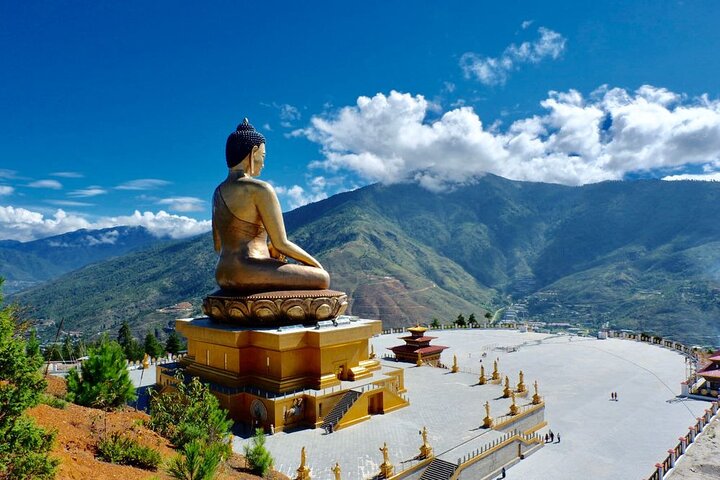
Things to Do in Thimphu
A capital with no traffic lights, where prayer flags flutter louder than commerce.
Top Things to Do in Thimphu
Find activities and tours you'll actually want to do. Book through our partners -- no booking fees.


Plan Your Trip
Essential guides for timing and budgeting
Climate Guide
Best times to visit based on weather and events
View guide →Day Trips
The best excursions and nearby destinations worth the journey
Explore day trips →Where to Stay
Best neighbourhoods, hotel picks, and booking tips
Find hotels →Travel Insurance
What's required, what coverage matters, and how to get a quote
Read guide →What to Pack
Climate-specific gear, essentials, and what to leave at home
See packing list →When Should You Visit Thimphu?
Tap a month for weather, crowds, and highlights
View full year-round climate guide →Your Guide to Thimphu
About Thimphu
Thimphu greets you with pine resin and woodsmoke. The air feels like a mountain stream in your lungs after the descent into Paro. This city chooses its modernity with care. Norzin Lam hums quietly, mostly white SUVs and monks in maroon robes. Buildings wear intricate floral motifs. Up in Motithang, you hear the guttural croak of the rare black-necked cranes at the preserve.
Down in the Centenary Farmers' Market, the air turns to crushed chili, dried cheese, and just-dug potatoes. A plate of ema datshi, chilies in creamy cheese sauce with red rice, costs less than a coffee back home. The trade-off is pace and rules. This is a Buddhist kingdom. Buildings follow tradition. Nightlife is quiet in a few hotel bars.
The entire city shuts down for a monthly pedestrian day. That absence of frenzy makes Thimphu compelling. It's a capital that feels like a deliberate, surprisingly successful meditation on what a city can be.
Travel Tips
Transportation: Getting around Thimphu is straightforward but needs local knowledge. No ride-sharing apps exist. Taxis skip meters. A short hop from Clock Tower Square to the Memorial Chorten is cheap. But drivers inflate fares for newcomers. The smartest move is booking a driver for the day through your hotel. A valley-wise driver who knows the hike to Tango Monastery is a mid-range expense that saves hassle. One pitfall: you cannot hail cabs everywhere. They gather at specific stands. For the ultra-budget crowd, local city buses are sparse yet real. The 1A route from the main bus terminal costs a symbolic fare and feels like an adventure.
Money: Cash rules in Thimphu. The Bhutanese Ngultrum is pegged to the Indian Rupee, also widely accepted. Best rates come from ATMs at the Bank of Bhutan on Norzin Lam, though limits may apply. Major hotels and some upmarket shops in the Druk Gyalpo Heritage Shopping Complex accept cards. Market stalls and most restaurants do not. Insider tip: bring crisp, newer Indian rupee notes. Worn or torn bills are refused. Carry small notes for temple donations. A modest bill works for an altar offering.
Cultural Respect: Respect in Thimphu is stitched into daily life. A few slip-ups can offend. Walk clockwise around chortens and mani walls. Never point feet at sacred objects or people. At dzongs like Tashichho Dzong, dress modestly. Long pants or skirts and covered shoulders are required. They lend a cloth wrap if needed. Photography inside temple sanctums is almost always banned. Ask before photographing people. One trap is underestimating formality. A simple "Kuzuzangpo" goes far. If offered suja, butter tea, accept with both hands. Take at least a ceremonial sip, even if the salty, creamy taste surprises you. Never leave the cup completely full.
Food Safety: Thimphu's food is safe, thanks to high-altitude freshness. Skip the hotel buffet. Hunt for humble local spots. Near the traffic circle, Bhutan Kitchen draws office workers for lunchtime phaksha paa, pork with red chilies, at a very modest price. Chili-heavy dishes act as natural preservatives. Cautious eaters should stick to steaming-hot plates. Avoid pre-cut raw salads washed in tap water. The national cheese, datshi, comes from yak or cow milk and is reliably fermented. For a safe, memorable meal, join a cooking class. You handle ingredients from market to plate. It's a mid-range splurge that pays off.
When to Visit
Thimphu's weather rules everything. It sets mountain views and trip costs. The sweet spot is October and November. Daytime temperatures hover at 10-20°C (50-68°F). Skies blaze blue, good for spotting the distant Himalayas. Festival season starts with the Thimphu Tshechu. This is peak season. Hotel prices spike. A comfortable three-star in the town center becomes a serious splurge.
Spring, March to May, is a close second. Rhododendrons bloom and days warm up. Afternoon showers can roll in. Winter, December to February, is tough. Nights drop below freezing. Higher passes close. Summer monsoon, June to September, brings heavy rain. Clouds cloak the peaks. Trails turn to mud. Hotel prices fall to very budget-friendly levels.
Budget travelers should target late February or late September. Fewer crowds. Lower costs. Decent weather odds. Families prefer April's dry days. Hardcore hikers crave October's pristine trails.
More Ways to Experience Thimphu
Tours, day trips, and local experiences curated by on-the-ground operators.
Didn't see anything interesting yet?
Browse Viator's full catalog of tours, day trips, food experiences, and private guides in Thimphu.
See All Thimphu Tours on Viator